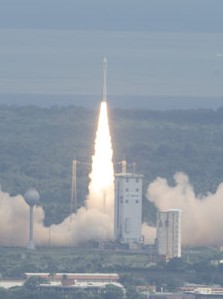
Europe: Doing reliably well in outer space
European Space Agency (ESA) experimental spaceplane completes research flight

European Space Agency (ESA) experimental spaceplane completes research flight
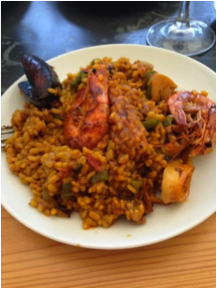
I was standing with my mom at Ataturk International Airport at 4am waiting for my flight to Madrid from Istanbul. I was overexcited since I was travelling to my dream country to live for 6 months! I love Spain, Spanish culture, language, Spanish men, and the architecture, that’s why I chose Madrid for my Erasmus experience.
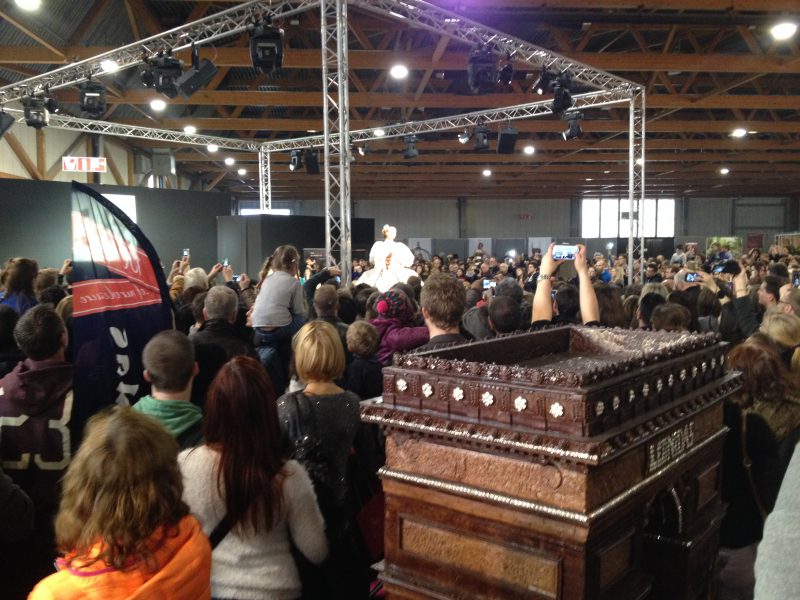
Chocolate lovers could indulge in their passion at the Brussels chocolate fair. Several chocolate and cocoa shows made it worth waiting in the queue for half an hour to get tickets. The stands were invaded by curious, craving eyes, looking at the sweet delights.
Relations between the EU and Russia are at a particularly low point over the ongoing conflict in Ukraine. Since the end of the Cold War and the dissolution of the Soviet Union this must be the time of highest tension between the major powers on the European continent. Talk of new sanctions on Russia and of providing military assistance to Ukraine by the West may exacerbate the situation without actually resolving it. A further cornered Russia may well become more authoritarian internally and aggressive externally. The EU would be wise to avoid that and find more constructive ways of engaging with its big eastern neighbor…

One week-old little baby, Sasha Piqué Mebarak, was presented to the world by their proud parents, Barcelona’s football player Gerard Piqué and singer Shakira. We can only see his face in the photo: he’s got straight hair and it appears that he’s inherited daddy’s blue eyes. A few days ago, Shakira shared a photo of…

Well, it is what it is. Kristina, the child model considered to be the most beautiful girl in the world, was not able to do the catwalk at the 080 Barcelona fashion show due to bureaucratic errors. Kristina watched the fashion show from the front row of the runway. Nevertheless, the little Russian girl did…
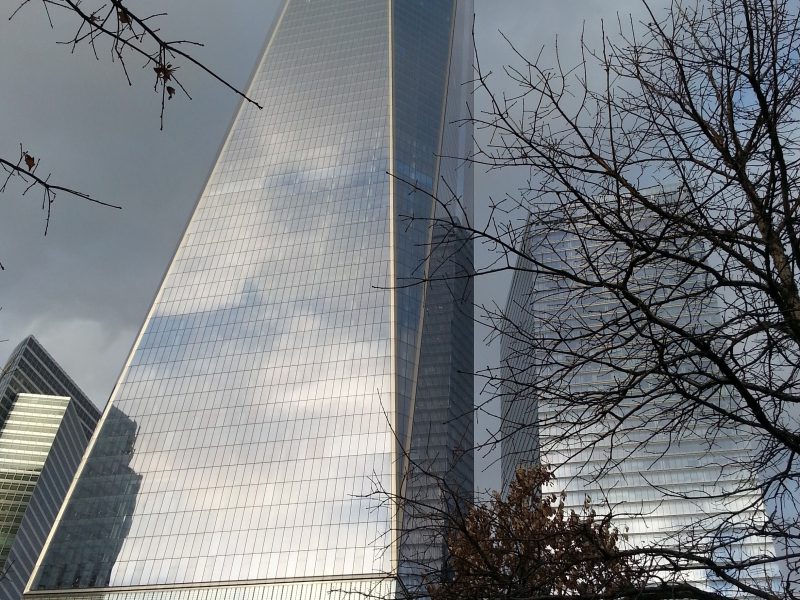
The EU central institutions seem to be stuck to what 19th Century Europe identified as “mission civilisatrice”, fuelled by an underlying sense of self-righteousness and superiority vis-à-vis others, while individual member states continue to pursue their narrow but concrete geopolitical and economic interests, which go in different directions. It should come as no surprise that EU members are steadily losing ground on the charts of state power and influence in the world, overtaken by more dynamic, emerging powers. Of course, with its ambition, innovation and flexibility the US remains steadily at the top, as would the EU as a whole, should it become really united.
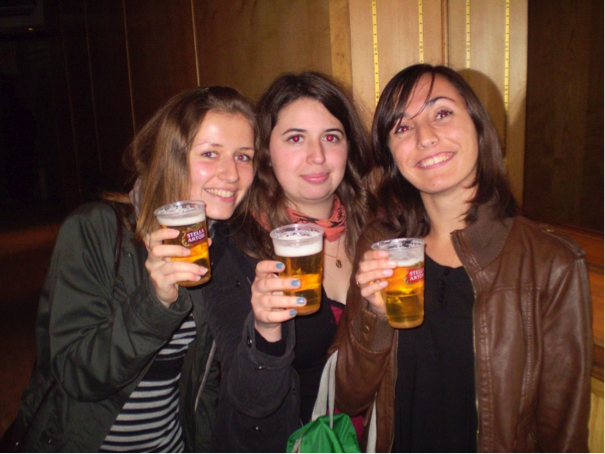
I had the chance to spend my Erasmus in Belgium and Germany, one semester in each country. This was due to the fact I was doing French and German at university. The experience itself was definitely invaluable and both locations proved to be quite different for many reasons, however equally enriching.
The high drama that is unfolding following the coming to power in Greece of a new government led by left-wing SYRIZA, and similar trends in Spain with the most recent massive show of force by Podemos at Puerta del Sol in Madrid, signal a new era in European and possibly global politics. This is no passing phenomenon but rather an inevitable result of the unsustainability of the existing financial system and the way it is managed in the European context and beyond. This sort of “European Spring”, thankfully not bloody nor as chaotic as its Arab counterpart, can bring good and bad things, depending on how it will be handled by the main protagonists, including the Greeks themselves but also the Germans, other EU nations, and the EU and Eurozone institutions…
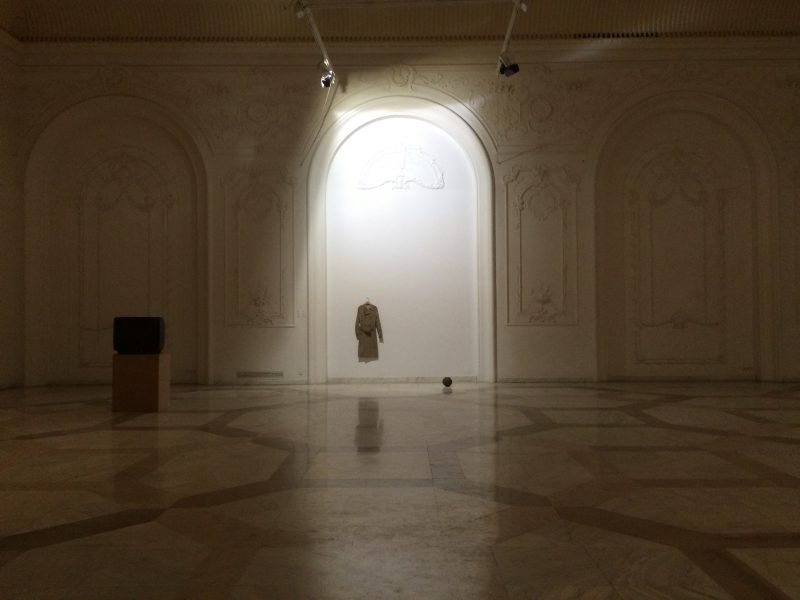
Where can you spend the day digging into one of the most sordid episodes of communism -the tragic end of Nicolae Ceaușescu- watching contemporary art …