Dialogue

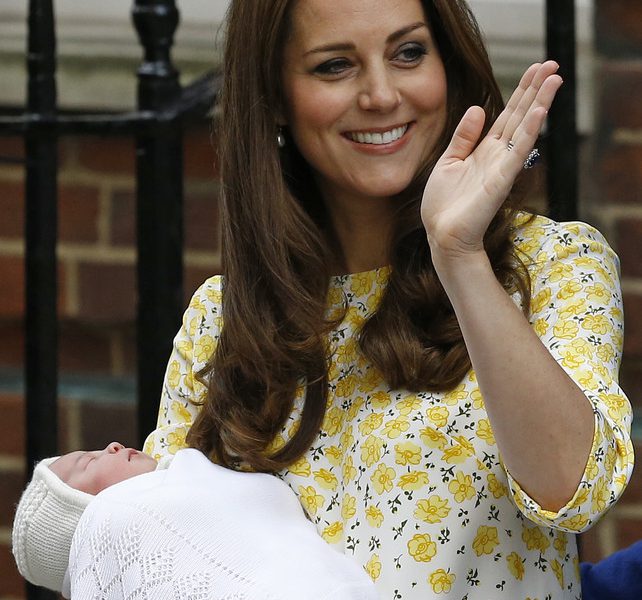
She is finally here. Kate Middleton and prince William have presented us their second child at St. Mary’s Hospital in London, where Duchess of Cambridge has given birth to a baby girl, who has become the fourth in the line of succession of Britain’s royal family. There isn’t an official name for the baby girl…

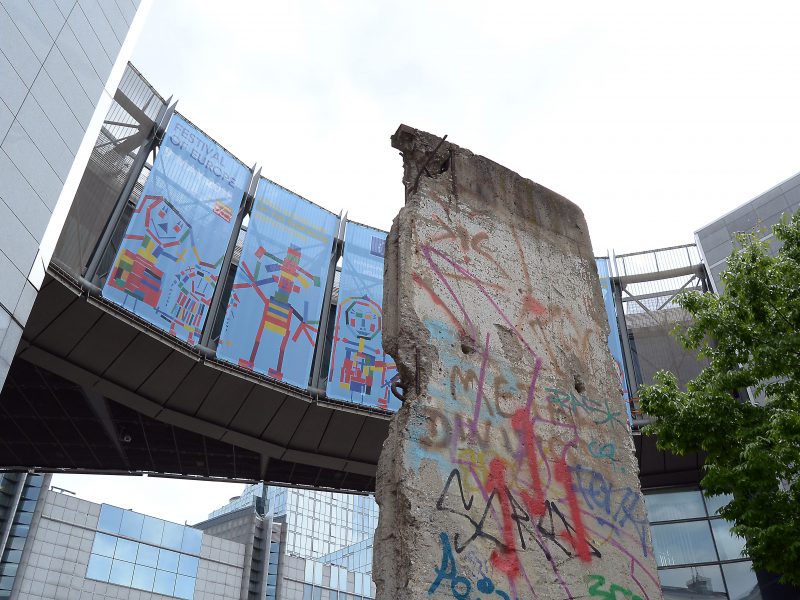
Malpractice in the Mediterranean

Libya is sick. And on 23 April, the European Council effectively wrote a prescription for ibuprofen. The absolute horror currently taking place in the Mediterranean- individuals packed onto a rickety boats like sardines in a can, trapped behind locked doors, drowning slowly as their last hope for a future escapes along with the last bit of air in their lungs- is symptomatic of the utter hell plaguing the failed state. A hell, bear in mind, that the West had a heavy hand in creating after the UNSC invoked the Responsibility to Protect, paving the way for military intervention and the subsequent ousting of Muammar Gaddafi.

The grave mistakes of the European leadership on Greece and the way out of the crisis

citizen-correspondent                                                              By Christos Mouzeviris

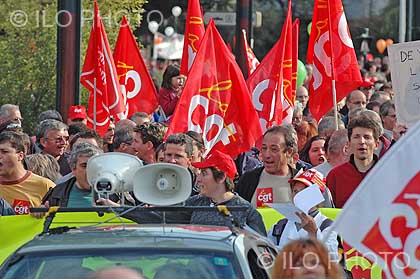
Ever since the victory of Syriza and the formation of the current Greek government, the country found itself on the spotlight of the European and global media. Speculations on a potential Grexit, combined with scathing attacks against Syriza’s policies and leadership became common. But is solely Greece, all which is wrong in Europe and the euro-zone? Perhaps the reality is very different if we examine some facts.

The missed opportunity of Cordoba’s Mosque

citizen-correspondent                                                              By Publio Manuel Isaldi

The first time I heard of the current controversy surrounding the history of “The Mosque” and the dispute over its use, I felt a tinge of sadness. It was not always like that. In 1977, a conference on inter-religious dialogue took place in Cordoba. Muslim delegates were invited into “The Mosque”, where they were allowed to perform their Friday prayers. I would not argue in favour of turning the building into a Muslim temple, however. My point is perhaps subtler…

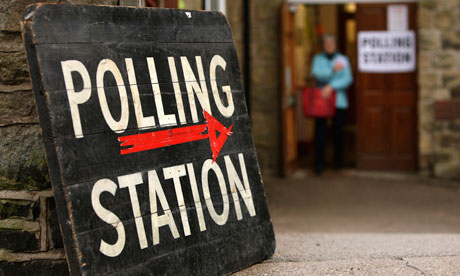
Understanding Romania’s anticorruption hunt

                                                                                     By Vlad Stoicescu

To get a glimpse of what is happening one should understand first the legal mechanisms that put in motion Romania’s anti-corruption framework. The National Anticorruption Directorate was set up in 2002. Back then it was a step towards judicial reform and compliance with European standards in a period in which Bucharest was negotiating the country’s accession to the EU. For a couple of years it was just a “showcase institution”, formally highlighting the political will to combat Romania’s pervasive corruption.

© 2026 Katoikos, all rights are reserved. Developed by eMutation | New Media